£ GBP
 € EUR
 $ USD
Description
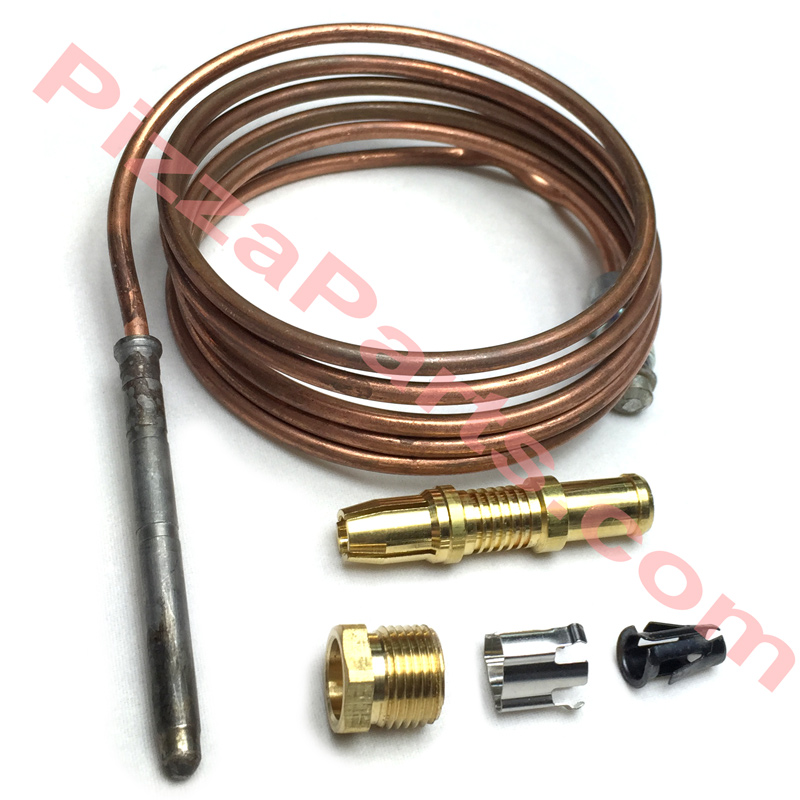
The Blodgett 100653 is a genuine OEM thermocouple sensor (48-inch snap-fit style) used in Blodgett ovens (and compatible models). It senses pilot flame temperature and generates a small voltage used by the gas safety circuit (pilot/gas valve) to determine whether flame is present. If the thermocouple is worn, corroded, or the lead is broken, ignition fails or safety lockouts occur. Replacing it with the correct spec ensures reliable flame sensing and thus safe oven operation.
📌 Details
| Spec | Value |
|---|---|
| Part Number | 100653 (Blodgett) |
| Length | 48-inch lead / wire length (“48-inch”) |
| Output Voltage | ~ 20-30 millivolts (mV) typical for flame sensing circuits |
| Thread / Connection | Coaxial thermocouple threads: size 11/32″-32 |
| Style / Fit | Snap-Fit (for Blodgett 1980 Series & Series 900 early units) |
| Compatible Brands / Models | Blodgett (Series 900, early units, and updated after Jan 25, 2009); also used in Magi-Kitch’n, Market Forge, Montague 12B-1, 12R-1, 13B-1, 13P-1, 13R-1, 14P-1, 22C-2, 23C-2, 23P-2, 24P-2, 115A, 115G, 115S, 115X, 115Z ovens |
💡 Tech Tip
-
Make sure the thermocouple tip (sensor end) is clean and properly positioned in the pilot flame. If it’s too far from flame or shielded, it won’t get enough heat to generate the required millivolts.
-
Check for kinks or damage in the 48-inch lead; wire insulation damage can cause loss of signal.
-
Use proper snap-fit fittings; threads must match (11/32-32) so the connection is tight and sealed.
-
After replacement, test ignition and verify that the safety system does not shut off pilot/gas due to flame “not sensed”.
📌 Note
-
OEM part numbers are references; even though listed models are many, always verify with your oven’s model/serial plate to ensure this thermocouple fits your specific pilot/gas valve setup.
-
If your oven is older or uses a different pilot system, ensure the mV output suits your gas valve’s requirements (some need more/less).
-
Lead length is important if wire routing is fixed. Make sure 48″ is sufficient (or not overly long) so that there’s no undue tension or closeness to heat sources which may degrade insulation over time.