£ GBP
 € EUR
 $ USD

Our guide to marks and standards for current UK safety, electrical, gas, and hygiene standards.
Conveyor ovens operate in demanding, high-temperature environments, so verifying the correct markings and safety systems is essential for both legal compliance and workplace safety.
Mandatory Conformity Marks
The first step is confirming the oven has the required conformity markings. These demonstrate that the equipment has been tested against relevant safety and environmental regulations.
UKCA Mark

The UKCA (UK Conformity Assessed) mark is now the primary compliance mark for products placed on the market in Great Britain, including England, Scotland, and Wales.
Engineers should ensure:
- The UKCA mark is clearly visible
- Documentation matches the appliance model
- The declaration of conformity is available if requested
CE Mark

Many ovens still carry the CE mark, especially equipment manufactured or originally certified within the EU. While UKCA is increasingly important in Great Britain, CE marking remains widely recognised throughout the industry.
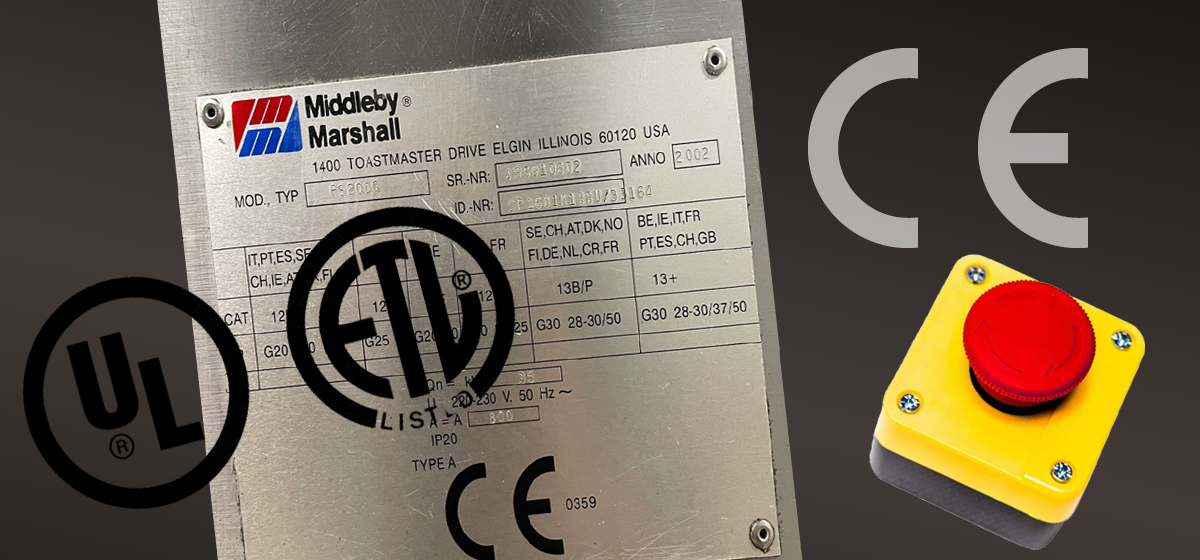
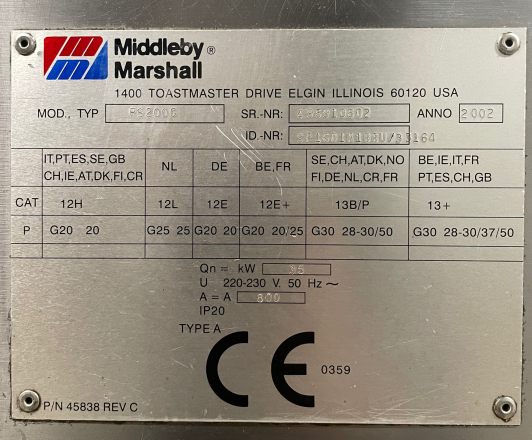
Every compliant commercial oven should have a permanently fixed rating plate showing:
- Manufacturer name
- Model number
- Serial number
- Year of manufacture
- Electrical ratings (kW, voltage, amps)
- Gas ratings (BTU/hr or kW input)
Missing or damaged data plates should immediately raise concerns during inspection or servicing.
Safety and Sanitation Standards
Commercial pizza conveyor ovens must also meet additional standards relating to electrical safety, fire prevention, and food-service environments.
EN / BS Electrical Safety Standards
Many commercial ovens reference harmonized safety standards such as EN 60335.
This standard relates to the safety of household and commercial electrical appliances.
Engineers should verify:
- The appliance references the correct EN or BS EN standard
- Components and wiring appear consistent with commercial-grade construction
- Safety documentation is available from the manufacturer
ETL or UL Certification
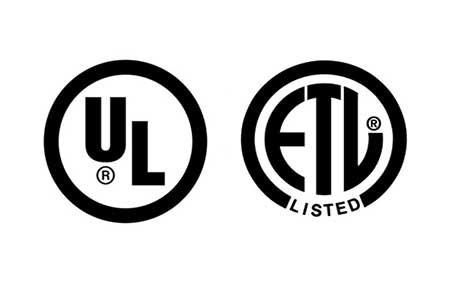
Although ETL and UL certifications originate in North America, they are commonly found on internationally distributed commercial ovens.
These marks indicate the appliance has undergone additional testing for:
- Fire safety
- Electrical shock protection
- Mechanical reliability
While not mandatory in the UK, they are often considered a positive quality indicator.
Gas Appliance Certification
For gas-powered conveyor ovens, engineers should confirm compatibility with the UK gas category system.
Typical classifications include:
- Natural Gas: I2H
- LPG: I3P
Gas ovens should also display:
- UKCA or CE gas appliance approval numbers
- Correct injector configuration
- Proper gas pressure settings
Only Gas Safe registered engineers should install or commission gas equipment in commercial kitchens.
Critical Mechanical and Electrical Safety Checks
Beyond compliance marks, engineers should carry out physical inspections of key safety systems.
Conveyor Belt Nip Point Protection
The entrance and exit points of conveyor belts create potential entrapment hazards.
Inspect for:
- Adequate guarding
- Safe spacing around moving parts
- Protection against loose clothing or fingers being drawn into the mechanism
Emergency Stop Systems
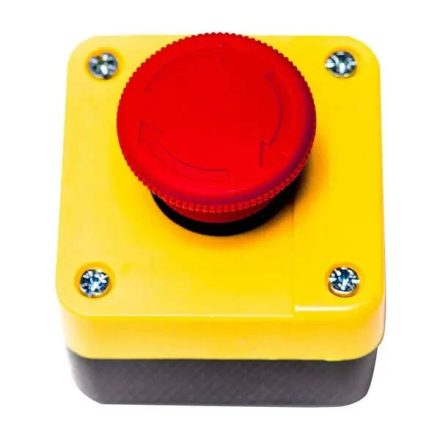
Commercial conveyor ovens should have:
- Clearly visible emergency stop buttons
- Functional safety trip systems
- Easy access from loading and unloading positions
Emergency stop systems should be tested during commissioning and routine maintenance.
High-Temperature Wiring
Internal oven temperatures place significant stress on electrical components.
Engineers should verify the use of:
- Braided fiberglass insulation
- Silicone high-temperature cable
- Proper heat shielding and cable routing
Damaged or brittle insulation is a major warning sign.
Thermal Cut-Out Protection
Commercial ovens should include high-limit safety thermostats designed to shut down the appliance if overheating occurs.
Check for:
- Manual reset thermal cut-outs
- Functional over-temperature protection
- Signs of bypassed or tampered safety devices
Gas Interlock Systems
In commercial kitchens, gas appliances are commonly interlocked with the extraction and ventilation system.
This means:
- If ventilation fails, the gas supply automatically shuts off
- The kitchen remains compliant with gas safety regulations
- Fire and carbon monoxide risks are reduced
This is a critical requirement in many professional kitchen installations.
Why These Checks Matter
Failure to verify safety markings and protection systems can lead to:
- Regulatory non-compliance
- Insurance issues
- Increased fire risk
- Equipment failure
- Severe injury to operators or engineers
Routine inspection and proper documentation help ensure ovens remain safe, efficient, and legally compliant throughout their service life.
Useful Resources
For further guidance, engineers and operators should consult:
- Manufacturer installation and servicing manuals
Contact us for advice on parts and maintenance of your pizza conveyor oven