£ GBP
 € EUR
 $ USD

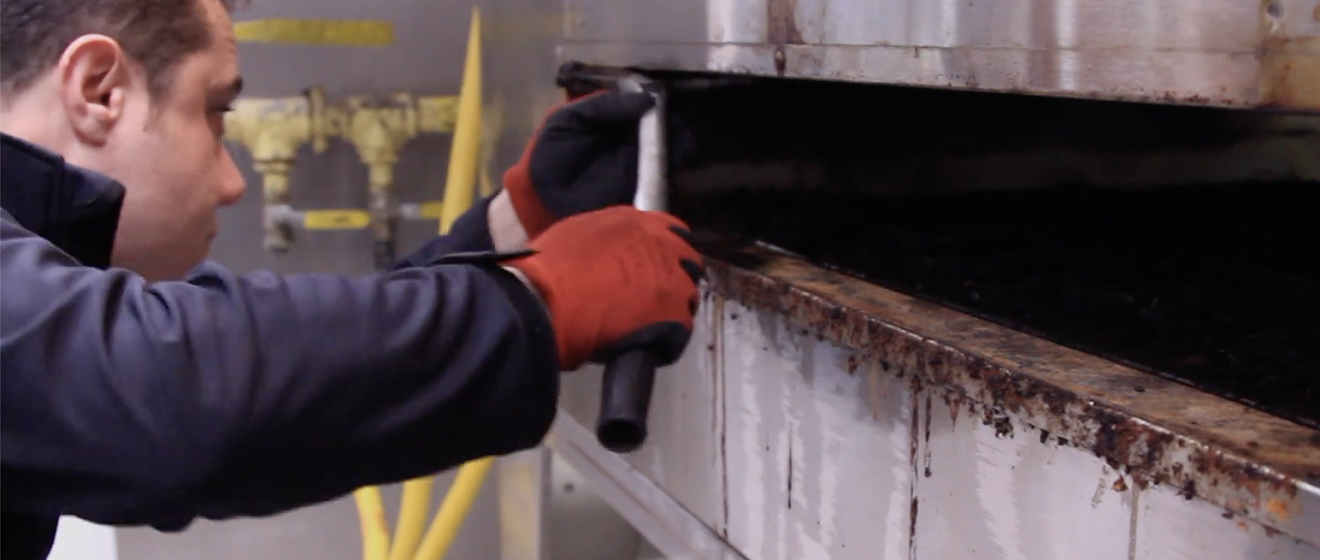
Regular cleaning of your oven can be a good opportunity to spot the early signs of wear before it turns into a bigger issue.
Grease and carbon build-up don’t just look unsightly, they can start to affect how your oven performs. A dirty conveyor belt may restrict heat distribution, lead to uneven cooking, and over time even increase fire risk. Food debris in the crumb tray or around the air intake vents can also reduce airflow, putting extra strain on the heating elements and motor.
What you’ll need
A few basic items are usually all that’s required:
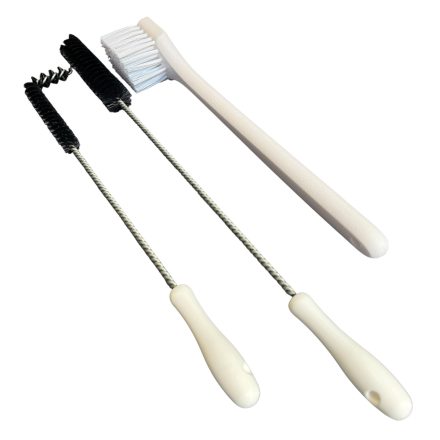
- Soft-bristle brush or sponge for scrubbing the belt, fingers, and interior without scratching surfaces
- Food-safe degreaser to help break down baked-on grease. Choose a product approved for commercial kitchen use
- Clean cloths and a bucket for wiping down surfaces with warm water after degreasing. Lint-free cloths can help
- Protective gloves and eye protection when handling cleaning chemicals
- Small vacuum or compressed air for clearing dust and crumbs from air vents and fan housings
- Cleaning log or checklist to track cleaning and note anything that may need attention
Common mistakes to avoid
These are a few things worth keeping in mind:
- Cleaning before the oven has fully cooled. Allow adequate cooling time and disconnect power first
- Using abrasive pads or steel wool, which can scratch the interior and damage the belt surface
- Soaking the interior with water. Excess moisture can damage heating elements and create electrical hazards
- Skipping the crumb tray, where built-up debris can become a fire risk
- Forgetting the air vents, as blocked airflow affects performance over time
- Using harsh non-food-safe chemicals on food-contact surfaces
- Reassembling while parts are still damp, which can lead to rust and belt deterioration
- Neglecting to log cleaning where records are required for food safety compliance
After cleaning: what to check before restarting
A quick check before switching back on can help avoid issues. Once reassembled, confirm the belt is tracking centrally and moving freely, the crumb trays are securely in place, and nothing has been left inside the oven chamber.
When switching back on, it’s worth observing the first few minutes of operation and looking out for any unusual sounds, smells, or inconsistent belt movement.
Frequently asked questions
Can I use a pressure washer to clean my conveyor oven?
It’s best to avoid this. High-pressure water can force moisture into electrical components, heating elements, and motor housings, which can cause damage and create safety hazards. Damp cloths and controlled amounts of water are a safer approach.
How do I know when the conveyor belt needs replacing rather than just cleaning?
Signs a belt may be due for replacement include broken links, corrosion that doesn’t clean off, or persistent off-tracking despite correct alignment. Pizza Parts stocks replacement belts for a wide range of conveyor oven models, so feel free to get in touch if you’re unsure.
What’s the best way to remove heavy carbon deposits from the fingers?
Most modern conveyor ovens allow you to completely remove the fingers from internal chassis, allowing for you to then soak removable fingers in a food-safe degreaser solution for 20–30 minutes, then scrub with a stiff non-metallic brush. For stubborn carbon, a bicarbonate of soda paste left overnight can help. Avoid metal scrapers as they can damage the surface. In this very specific case if waste is disposed of correctly a pressure washer can be used and can help aid the cleaning of fingers.
Pizza Parts Pro Tip : It is always very useful to take photos and videos before you remove any fingers from your oven as if are put back in incorrect configuration your pizza will cook completely different.
How often should I have my conveyor oven professionally serviced?
Most manufacturers recommend a full professional service at least once a year, or more frequently in high-volume operations. Regular cleaning can help extend the time between services.
Are there any parts I should check during each clean?
Each clean is a good opportunity to inspect the belt for wear, check finger end caps for cracks or grease ingress, confirm the crumb trays are undamaged, and ensure vents are clear. Catching wear early makes it easier to plan replacements.
Need parts for your conveyor oven?
Pizza Parts Ltd supplies replacement parts and more for all the major oven brands. If your clean reveals a worn or damaged component, we can help you get back up and running fast. We can also offer maintenance and service if needed.
Contact us today or browse our full range of conveyor oven parts online. Ask us about opening an account.