£ GBP
 € EUR
 $ USD

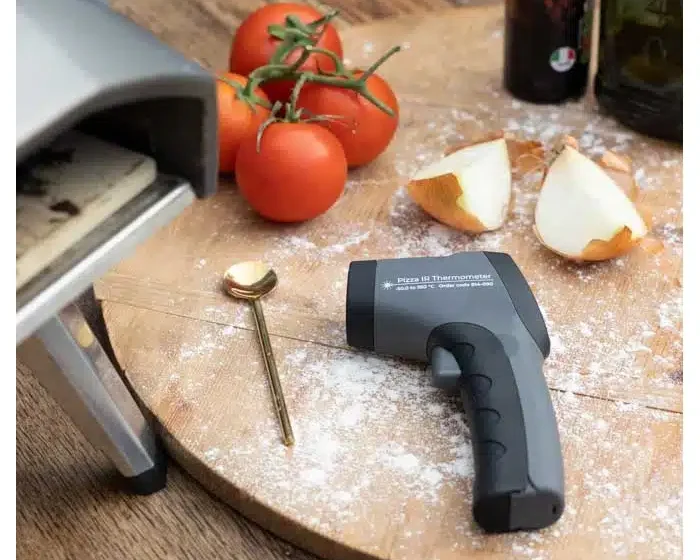
For service technicians and engineers, the shift from reactive repairs to predictive maintenance is transforming pizza oven maintenance.
This isn’t about guessing when something might break. Predictive maintenance uses data, patterns, and real-time monitoring to anticipate issues before they become costly problems. Here’s how service techs can apply it effectively in the field.
Moving Beyond Reactive Maintenance
Traditional maintenance strategies tend to fall into two categories: reactive (fix it when it breaks) and preventive (service it on a schedule). Both have limitations. Reactive maintenance leads to unplanned downtime, while preventive maintenance can result in unnecessary part replacements.
Predictive maintenance bridges that gap. By analysing actual equipment condition and performance trends, technicians can intervene only when needed – reducing waste while avoiding failures.
Key Technologies Driving Predictive Maintenance
Modern predictive maintenance doesn’t always require complex infrastructure. In commercial kitchen environments, a mix of advanced systems and practical handheld tools can deliver strong results:
1.Sensors and Smart Devices
Temperature, vibration, pressure, and electrical sensors provide continuous insights into equipment health.
2. Handheld Diagnostic Tools
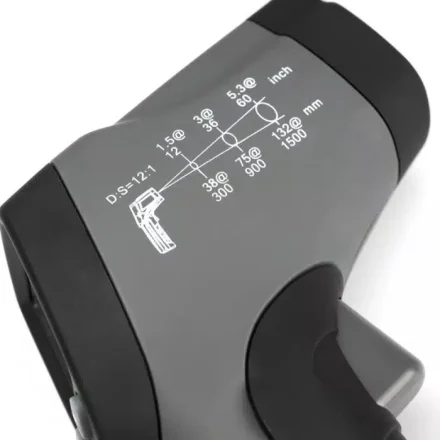
Tools like infrared thermometers, multi-function thermometers, and digital fridge thermometers give technicians immediate, accurate readings during inspections. Countdown timers can also be used to track cycle times and identify performance drift in heating or cooking processes.
Practical Applications in Food Equipment
For engineers working with pizza ovens, refrigeration systems, and related equipment, predictive maintenance can be applied in very tangible ways:

Ovens:
Use infrared thermometers to quickly scan surface temperatures and identify uneven heating. Combine this with countdown timers to verify cook cycles remain consistent over time, helping detect element degradation or control issues early.
Refrigeration Units:
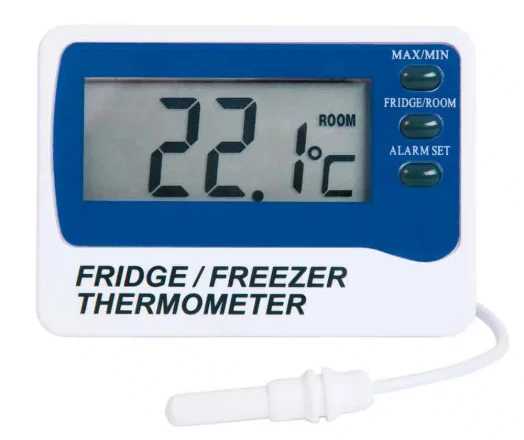
Digital fridge thermometers provide continuous or spot-check monitoring of internal temperatures. Tracking this data helps identify compressor inefficiencies, door seal issues, or airflow problems before they lead to spoilage or failure.
Control Systems:
Multi-function thermometers can validate sensor accuracy and ensure control systems are responding correctly, reducing the risk of unexpected shutdowns.
Conveyor Systems:
Monitoring motor performance and cycle timing can highlight wear, misalignment, or load inconsistencies before they escalate.
Benefits for Service Technicians
Adopting predictive maintenance changes how technicians work:
Fewer Emergency Calls: Problems are addressed before they escalate.
Better Parts Planning: improves inventory management.
Improved First-Time Fix Rates: Arrive on-site with the right tools and parts.
Enhanced Trust: fewer disruptions and more proactive service.
Getting Started: A Practical Approach
For teams new to predictive maintenance, the transition doesn’t need to be overwhelming:
- Start with Critical Equipment
- Equip Your Team with the Right Tools
Ensure technicians have access to reliable infrared thermometers, digital fridge thermometers, multi-function thermometers, and timers for accurate field diagnostics.
- Track Historical Data
Build a baseline to understand what “normal” looks like for each piece of equipment.
- Train Your Team
Ensure technicians can interpret readings and spot early warning signs.
- Partner with Reliable Parts Suppliers
Having quick access to quality replacement parts ensures predictions translate into fast fixes.
The Role of Parts in Predictive Maintenance
Predictive maintenance only works if the right parts are available at the right time. Engineers need confidence that when a component is flagged for replacement, a reliable, compatible part is ready to go.
At Pizza Parts, we understand that timing is everything. Our inventory and expertise are designed to support service techs who are moving toward smarter, data-driven maintenance strategies.
Final Thoughts
Predictive maintenance isn’t a futuristic concept, it’s a practical, proven approach that’s already reshaping how service technicians operate. By combining data-driven insights with reliable diagnostic tools, engineers can reduce downtime and extend equipment life.
Having quick access to quality replacement parts ensures predictions translate. Call us for advice if you need to check specific parts.